

Understanding the psychology of risk Why gamblers take chances
The Allure of Uncertainty
The world of gambling thrives on unpredictability, which is a significant factor in its appeal. Gamblers are often drawn to the thrill of not knowing the outcome, as this uncertainty can stimulate feelings of excitement and adrenaline. For many, this emotional high becomes addictive, leading them to chase the rush that comes with each bet placed. The unpredictability becomes a playground for the mind, enticing individuals to take risks that may otherwise seem irrational. Additionally, seeking paysafe casinos not on gamstop, they may find platforms that enhance this sense of thrill.
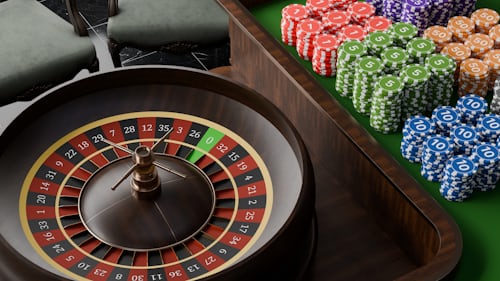
Moreover, this allure of uncertainty can be further amplified by the concept of ‘near misses.’ When a gambler almost wins, the brain releases dopamine, reinforcing the behavior and leading to a stronger desire to continue playing. This psychological feedback loop can create a cycle where the thrill of the gamble outweighs the potential consequences, making it challenging for individuals to step away from the game.
Cognitive Biases in Gambling
Cognitive biases play a crucial role in the decision-making processes of gamblers. Common biases, such as the illusion of control, lead individuals to believe they can influence random events. This belief can be particularly prevalent in games of chance, such as slot machines or roulette, where the outcome is entirely random. Gamblers may convince themselves that their actions have an impact, fueling their desire to gamble even more.
Additionally, the gambler’s fallacy—where individuals believe that past outcomes affect future results—can skew their perception of risk. For example, if a slot machine has not paid out recently, a gambler may assume it is ‘due’ for a win. Such misconceptions can cloud judgment and lead to increased betting, even when the odds remain unchanged. Understanding these cognitive biases is essential in grasping why gamblers take such significant risks.
The Emotional Roller Coaster
The emotional landscape of gambling is often a tumultuous one. The highs of winning can be euphoric, providing a temporary escape from everyday stresses. Conversely, the lows experienced during losses can lead to feelings of despair and anxiety. This emotional roller coaster is a significant factor in why individuals continue to gamble, as they often find themselves hoping to replicate the highs while grappling with the lows.
This cycle of emotions can lead to compulsive gambling behavior. Gamblers might chase their losses, believing that another bet could turn their fortunes around. This desperation can cloud rational thinking, leading individuals deeper into a cycle of risk-taking that can have devastating consequences. Recognizing this emotional impact is vital for understanding the psychology behind why gamblers take chances.
Social Influences and Peer Pressure
The social environment significantly influences gambling behaviors. Many individuals are introduced to gambling through friends or family, and the social aspect can reinforce the desire to participate. Group settings often amplify the excitement and can create an atmosphere of competition, further encouraging risk-taking. This social dynamic makes it challenging for individuals to resist the urge to gamble, even when they may be aware of the potential risks involved.
Moreover, social media and online gambling communities can perpetuate risky behaviors. Gamblers often share their wins and losses, creating an environment where risk-taking is celebrated. This constant exposure to the gambling lifestyle can lead to normalization of high-risk behaviors, making it easier for individuals to justify their own risky actions. Understanding these social influences provides insight into the broader context of why many gamblers choose to take chances.

Online Resources for Responsible Gambling
In today’s digital age, numerous online resources aim to promote responsible gambling and provide support for those struggling with gambling addiction. These platforms often offer tools for self-assessment, budgeting, and strategies to minimize risk. They serve as valuable resources for individuals seeking to understand their behaviors and the psychological factors at play in their gambling choices.
By fostering a greater awareness of gambling psychology and providing helpful resources, these websites contribute to a healthier approach to gambling. They help individuals recognize when their behavior may be problematic and encourage seeking help before it escalates into a more significant issue. Understanding the psychology of risk in gambling is essential for promoting responsible gambling practices and ensuring that individuals can enjoy gaming as a form of entertainment, rather than a source of distress.